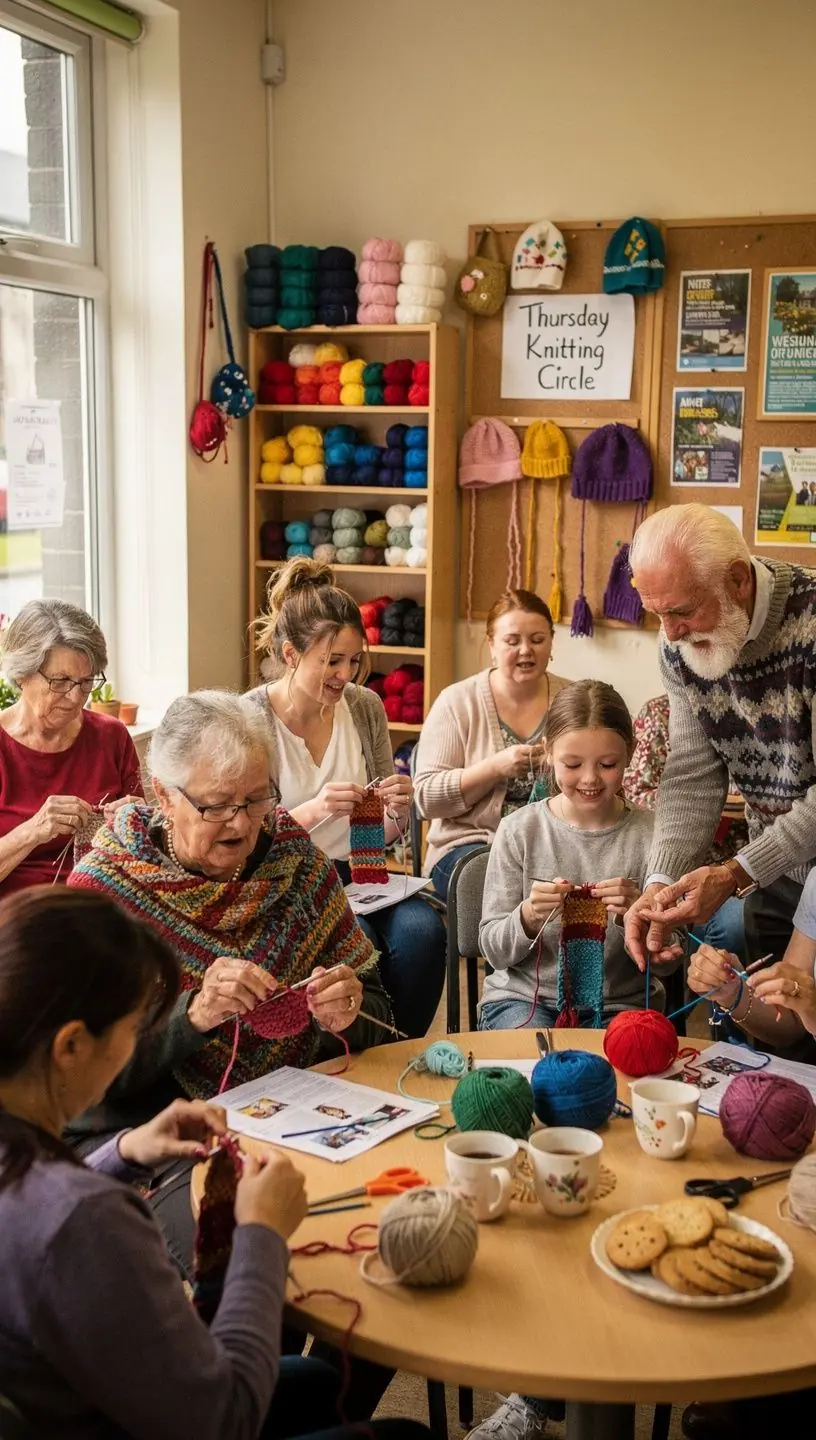
How to Engage Diverse Audiences at Events
In an increasingly interconnected world, successfully engaging diverse audiences at events is both a challenge and an opportunity. Understanding the needs and preferences of various demographics can help organizers create more inclusive and enjoyable experiences.
Understanding the Basics of Audience Diversity
According to research, diverse audiences can bring a wealth of perspectives and ideas, enriching social gatherings and events. However, effectively engaging these groups often requires a thoughtful approach. Experts suggest that recognizing cultural backgrounds, interests, and social dynamics is essential for creating engaging environments.
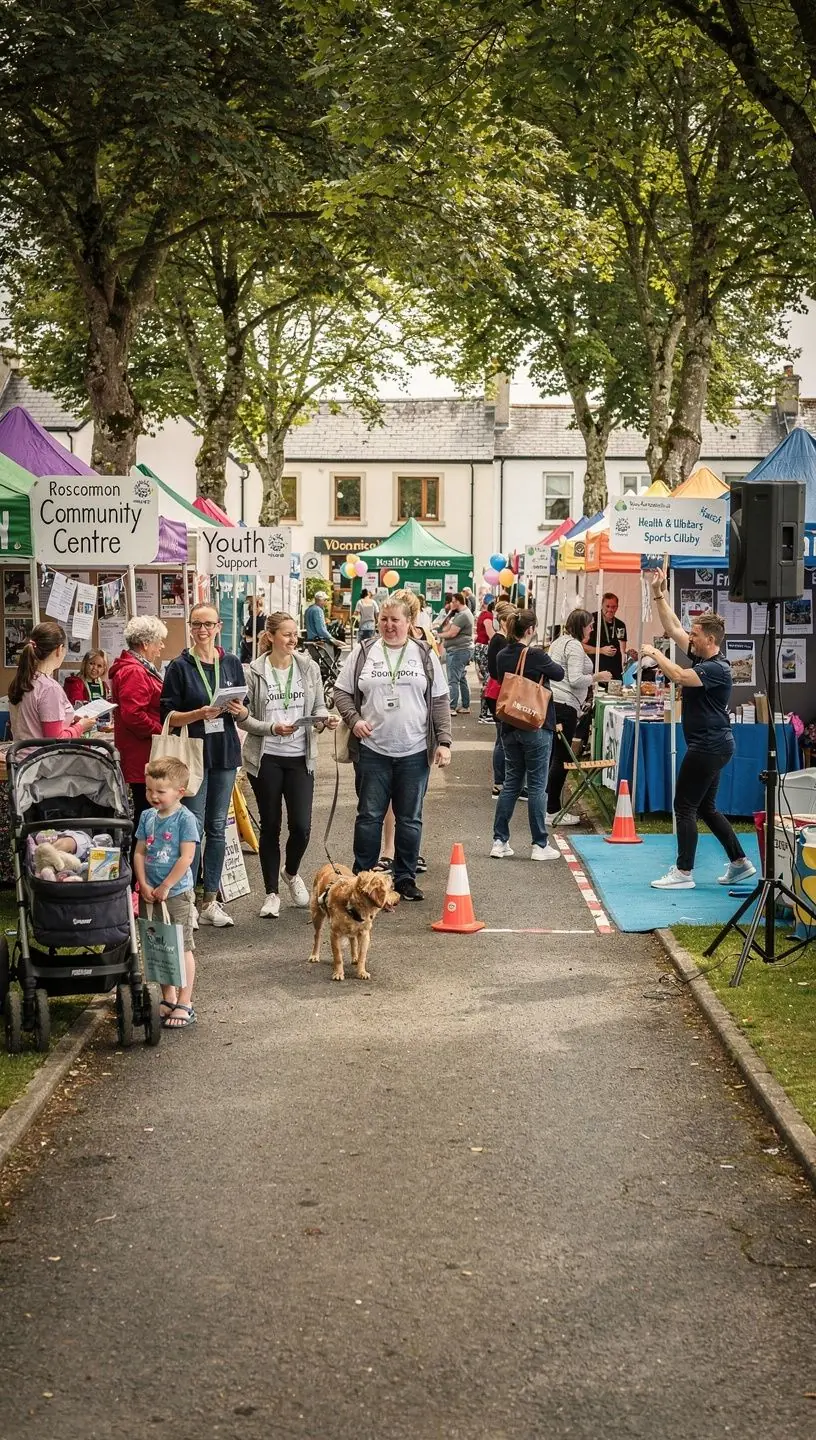
"Event organizers who tailor their approach to inclusivity often see higher attendee satisfaction and engagement levels."
Strategies for Engaging Diverse Audiences
Here are several strategies that can help improve engagement among different audience segments at your events:
- Conduct Audience Research: Surveys and focus groups can provide valuable insights into the preferences and needs of potential attendees. Studies show that events tailored to their interests can significantly enhance participation.
- Offer Varied Programming: Incorporating a range of activities—such as music sessions, board games, and social activities—can appeal to different interests. This approach often yields a broader appeal, attracting a wider array of participants.
- Utilize Inclusive Promotion: When marketing your event, ensure that your messaging resonates with diverse groups. Using culturally relevant language and imagery can help potential attendees feel represented and welcomed.
Creating an Inclusive Environment
Fostering an inclusive atmosphere goes beyond just programming. Here are some considerations:
- Accessibility: Ensure that venues are physically accessible to individuals with disabilities. This not only fulfills legal requirements but also enhances participation rates.
- Diverse Staffing: Hiring a team that reflects the diversity of your audience can help in understanding and anticipating the needs of your attendees. Many experts recommend this as a best practice in the event industry.
- Feedback Mechanism: After each event, consider gathering feedback to understand what worked well and what could be improved. This iterative process can help you refine future events to better serve your audience.
Conclusion
Engaging diverse audiences at events is a multifaceted endeavor that requires thoughtful planning and execution. By utilizing evidence-based strategies, such as conducting audience research and offering varied programming, organizers can create memorable experiences that resonate with a wide range of attendees. Setting realistic expectations and focusing on inclusivity can enhance engagement and satisfaction at your events, ultimately contributing to their success.