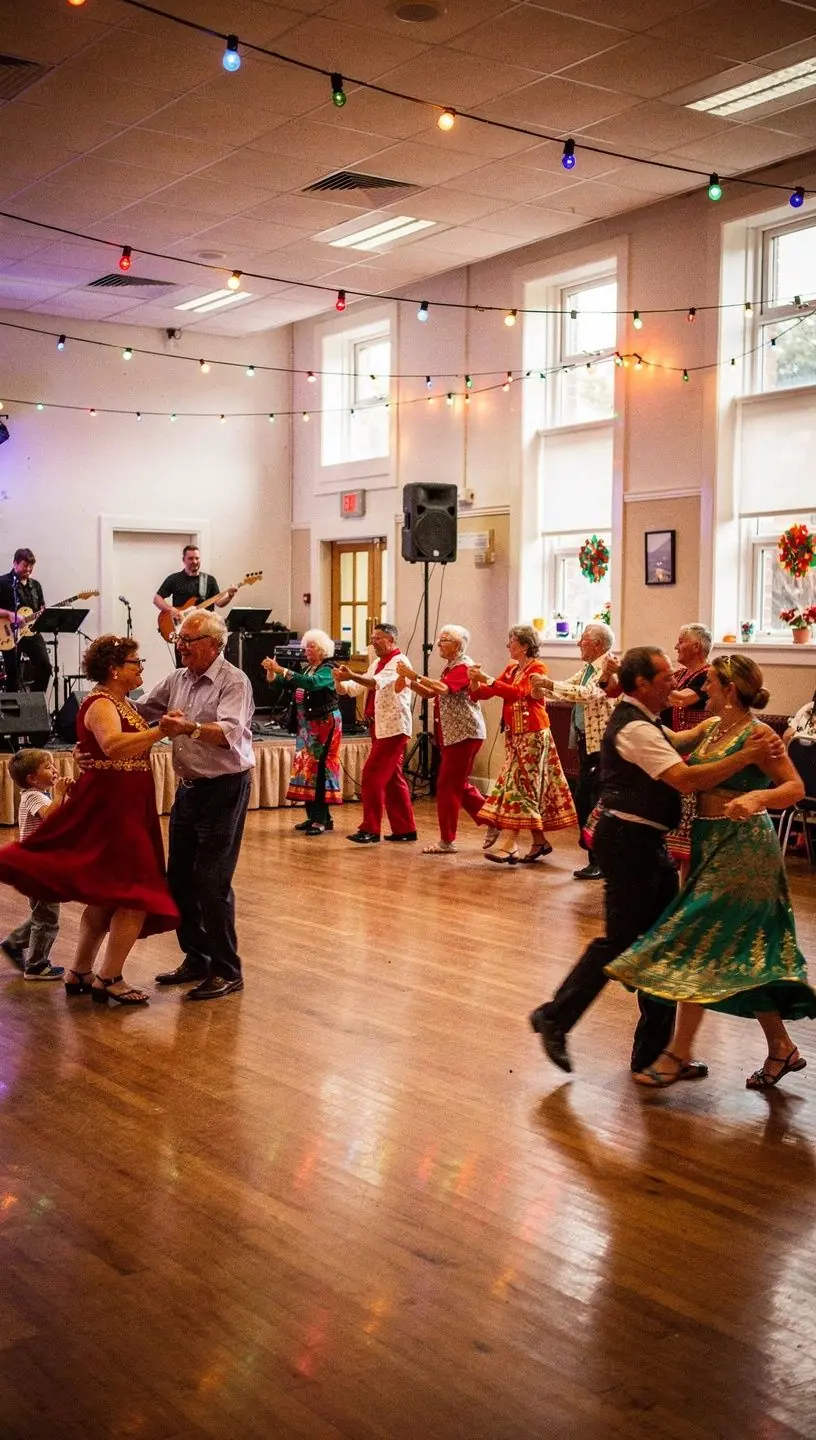
The Impact of Music on Local Community Wellbeing
In recent years, the emphasis on community wellbeing has gained considerable traction. Among various factors influencing community life, music stands out as a powerful tool that can enhance social interaction, reduce stress, and promote mental health. This article explores how music affects local communities, particularly in Ireland, and the evidence supporting its benefits.
Understanding the Role of Music in Communities
Research indicates that music plays a vital role in fostering social connections and enhancing emotional wellbeing. According to a study published in the Journal of Community Psychology, communities that actively engage in music-related activities report higher levels of cohesion and support among residents. This is often attributed to the communal experiences shared during live performances, music sessions, and social gatherings.

"Community music programs have shown to significantly enhance social ties and reduce feelings of isolation among participants." - Community Music Journal
The Psychological Benefits of Music
Experts suggest that music can positively impact mental health in various ways. For instance, engaging in musical activities is linked to reduced anxiety and improved mood, which is particularly beneficial in community settings where individuals may feel stressed or disconnected.
Studies show that participating in group music activities can lead to:
- Enhanced Social Interaction: Music encourages conversations and connections, creating bonds between participants.
- Stress Reduction: Listening to or making music can lower cortisol levels, which are associated with stress.
- Improved Cognitive Function: Engaging with music may improve memory and cognitive skills, helping to keep the mind active.
How Communities Can Foster Musical Engagement
To harness the benefits of music, local venues can host regular music sessions, open mic nights, and workshops. These activities not only provide entertainment but also create opportunities for community members to engage with one another in a relaxed setting. Here are some practical steps communities can take:
- Organize Regular Events: Schedule weekly or monthly music sessions that are open to everyone, encouraging attendance and participation.
- Collaborate with Local Musicians: Partner with local artists to perform or conduct workshops, thus supporting local talent and enriching community culture.
- Encourage Inclusivity: Create spaces where individuals of all ages and backgrounds can participate, ensuring that everyone feels welcome and valued.
Challenges and Considerations
While the benefits of music in community settings are substantial, there are some limitations to consider. Communities may need to allocate resources for organizing events, which could require volunteers or funding. Additionally, promoting participation may take time, as building a supportive community often involves gradual relationship-building.
In most cases, communities that actively foster musical activities may observe an increase in participation and social cohesion over time. However, it is essential to recognize that these efforts typically require ongoing commitment and adaptability to suit the needs of local residents.
Conclusion
In summary, the impact of music on community wellbeing is significant and multifaceted. Local music initiatives can promote social interaction, boost mental health, and foster a sense of belonging among residents. By creating opportunities for musical engagement, communities across Ireland can cultivate a supportive environment that enhances the quality of life for all members. Emphasizing music as a tool for community wellbeing may not only enrich local culture but also establish lasting connections among individuals.