
Creating Effective Event Calendars for Communities
An effective event calendar can significantly enhance community engagement by providing residents with timely information about local activities. This article explores how to create event calendars that not only inform but also inspire participation.
Understanding the Importance of Event Calendars
Event calendars serve as a vital resource in communities, fostering social connections and promoting local culture. According to research, communities with organized activities experience a 20-30% increase in participation rates, which can lead to stronger social networks and improved community well-being.
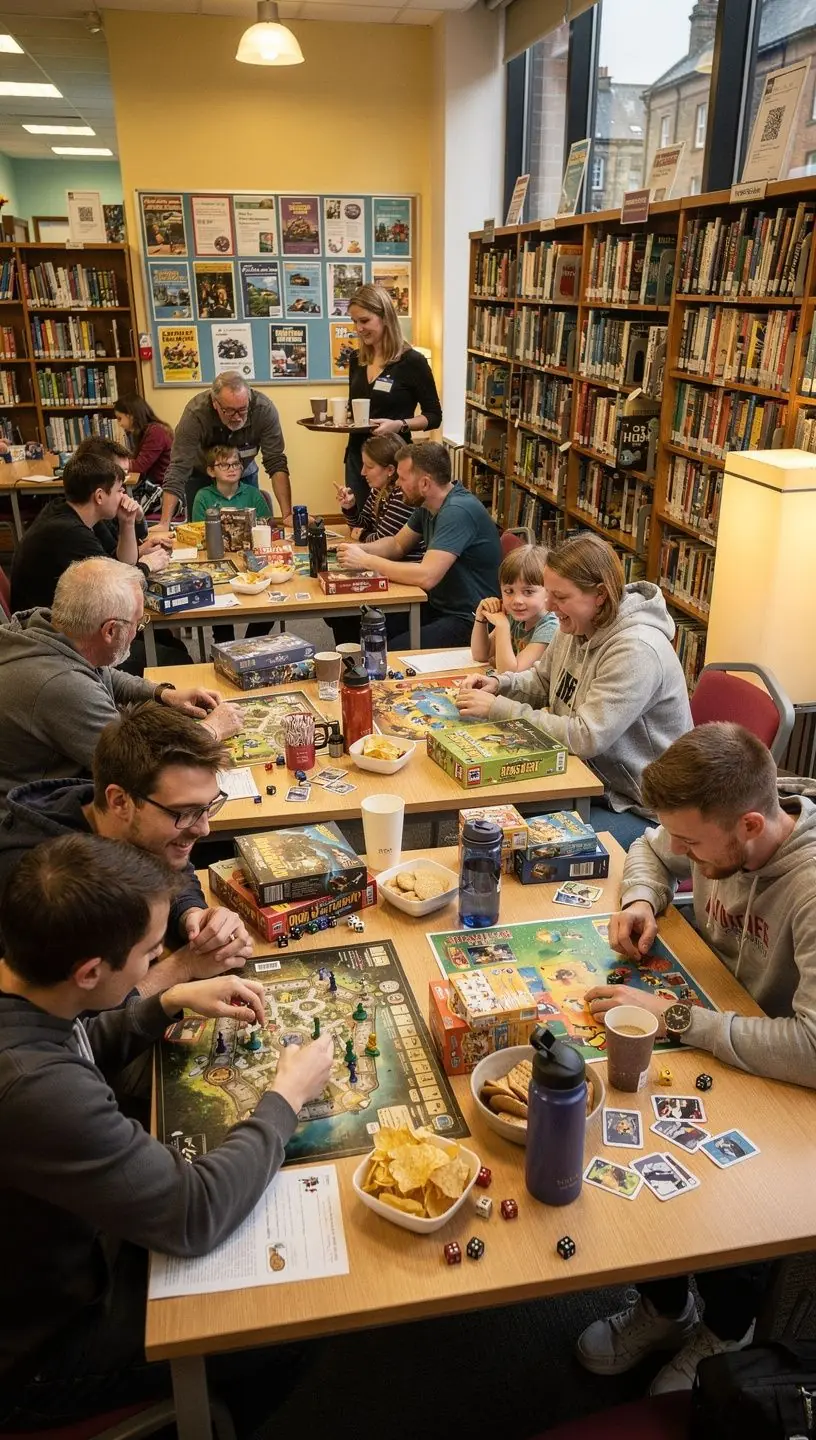
Experts recommend that community organizers maintain a comprehensive calendar that includes various events such as music sessions, board game clubs, and social gatherings. This approach ensures diverse interests are met and encourages broader participation.
"Communities thrive when residents engage in shared activities; a well-structured event calendar is key to fostering that engagement."
Steps to Create an Effective Event Calendar
Creating an effective event calendar involves careful planning and execution. Here are some practical steps to guide you through the process:
- Identify Community Needs: Conduct surveys or community meetings to understand what types of events residents are interested in. This information is critical as it helps tailor offerings to meet the needs of your demographic.
- Choose a User-Friendly Platform: Many communities benefit from using digital tools like Google Calendar or dedicated event management software. These platforms allow for easy updates and accessibility for community members.
- Regular Updates and Maintenance: Keeping the calendar current is essential. Aim to refresh the calendar weekly, ensuring that all events are up-to-date and accurately represented.
- Promote the Calendar: Utilize social media, community bulletin boards, and local newsletters to promote the calendar. Studies show that communities that actively promote their events see higher attendance rates.
Challenges and Considerations
While developing an event calendar can be rewarding, it comes with its challenges. Typically, it requires a commitment of 2-4 hours each week to maintain and promote effectively. Additionally, some community members may have limited access to digital platforms, so providing physical copies could be beneficial.
It’s also important to acknowledge that not all events will attract large audiences. In many cases, smaller gatherings can foster deeper connections among participants, so even low turnout can hold value.
Best Practices for Event Calendar Management
- Incorporate feedback from participants to improve future events. This can help in adjusting activities to better meet community preferences.
- Collaborate with local businesses and organizations to sponsor events, which can enhance resources and reach.
- Utilize reminders and notifications to encourage participation. Many platforms allow for automated reminders, making it easier for attendees to remember and plan for events.
Conclusion
Creating an effective event calendar is an ongoing process that requires dedication and adaptability. By understanding community needs, using user-friendly tools, and promoting events actively, communities can enhance social interaction and participation. While challenges exist, the benefits of fostering a more connected community are significant. By implementing the tips outlined in this article, you can contribute to a vibrant neighborhood where residents feel engaged and informed.
Read More