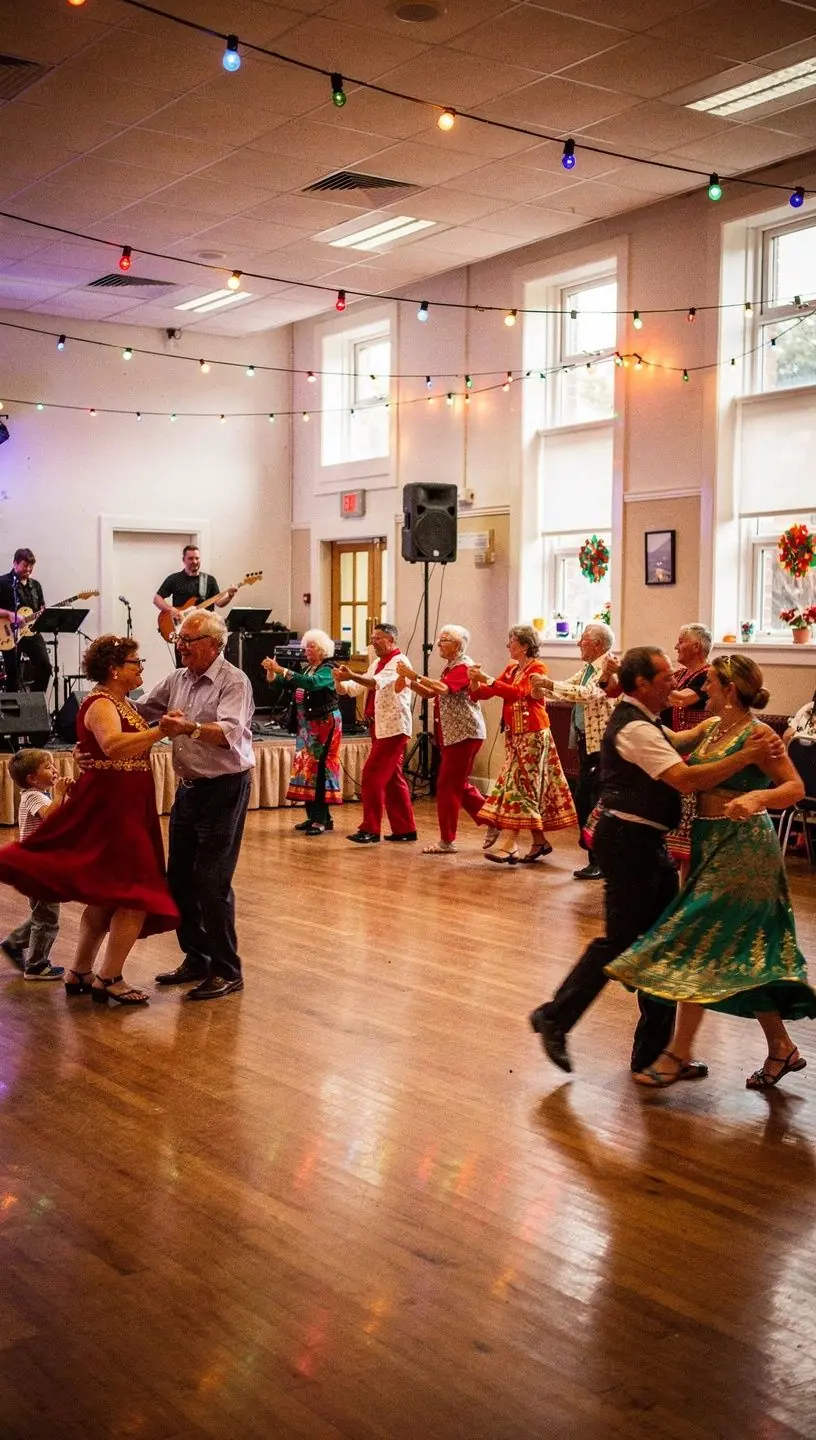
Best Practices for Venue Selection for Events
Selecting the right venue for community events is crucial in fostering engagement and creating memorable experiences. This article explores best practices for venue selection, focusing on elements that can enhance the success of your event.
Understanding the Importance of Venue Selection
Choosing a venue is not merely about finding a space; it often sets the tone for the entire event. According to industry experts, a well-chosen venue can increase attendance and participant satisfaction significantly. In most cases, the right venue can create an inviting atmosphere that encourages social interactions and engagement.

"A venue that aligns with the event’s theme and purpose enhances the overall experience for attendees." - Event Planning Expert
Key Factors to Consider
When selecting a venue for your neighborhood music sessions, board game clubs, or social activities, consider the following factors:
- Accessibility: The venue should be easily accessible by public transport and have appropriate parking facilities. Studies show that venues with good accessibility often report higher attendance rates.
- Capacity: Choose a space that accommodates your expected number of participants comfortably. Overcrowding can lead to dissatisfaction, while too much space may feel empty and uninviting.
- Facilities: Ensure the venue has essential facilities (like restrooms, seating, and Wi-Fi). Research indicates that venues equipped with necessary amenities can significantly enhance participants' comfort and engagement levels.
- Atmosphere: The overall ambiance should align with your event’s goals. Many users report that a relaxed and inviting atmosphere encourages more social interaction among attendees.
Evaluating Venue Options
Once you've identified potential venues, a careful evaluation process is essential. Consider the following steps:
- Site Visits: Conduct physical visits to assess the layout and facilities. This also allows you to envision the event flow and logistics.
- Gather Feedback: Consult with past users of the venue or community members. Feedback can provide valuable insights into the venue's strengths and weaknesses.
- Negotiate Terms: Discuss pricing, cancellation policies, and additional charges. Many experts suggest that transparent communication can prevent misunderstandings later on.
Conclusion
In conclusion, selecting the right venue for community events involves careful consideration of various factors, including accessibility, capacity, and overall atmosphere. While there is no one-size-fits-all approach, adhering to these best practices can significantly improve the success of your events. Remember to prioritize the needs and feedback of your community to create experiences that resonate.