The Importance of Collaboration in Local Activities
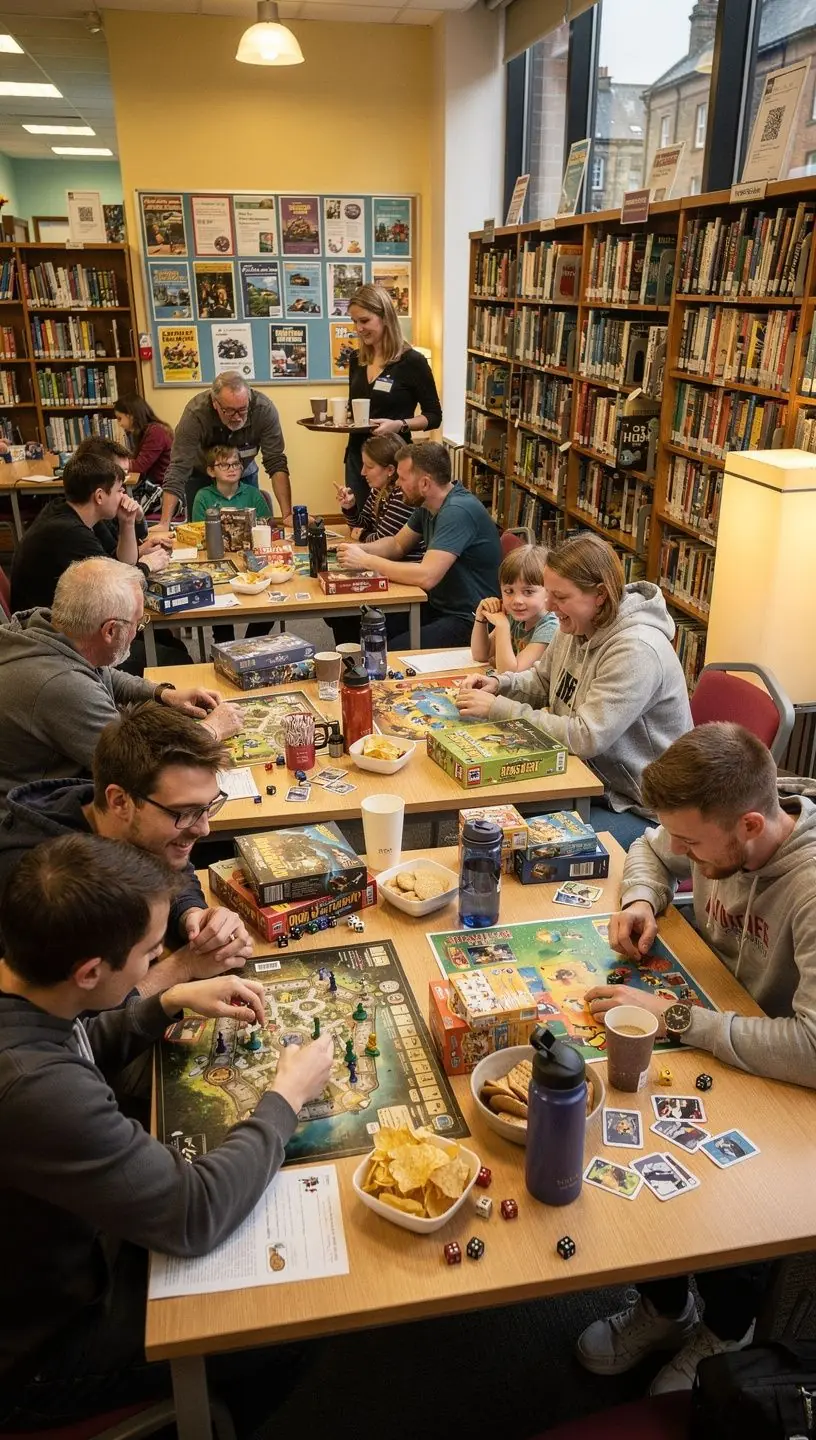
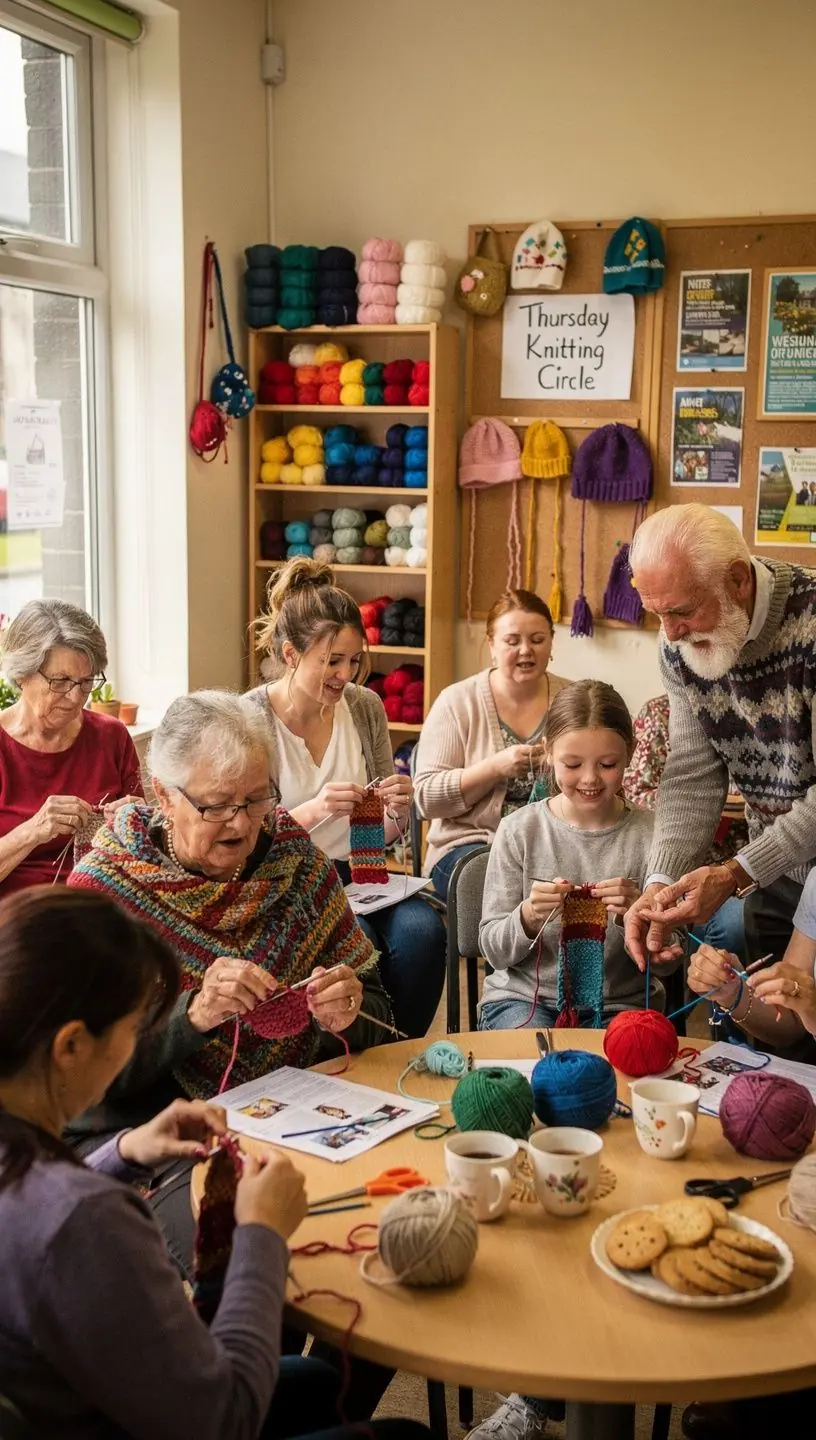
Collaboration within local communities can significantly enhance the quality and variety of activities available to residents. This article explores the importance of working together for organizing music sessions, board game clubs, and other social activities.
Understanding the Benefits of Collaboration
Collaboration within communities often leads to more effective planning and execution of local events. According to studies, communities that engage in collaborative efforts see an increase in participation rates, with many users reporting that joint initiatives foster a greater sense of belonging and satisfaction.

The principle behind successful collaboration is that it pools together diverse skills, resources, and ideas, which can lead to innovative solutions and more engaging activities. For instance, when multiple local venues come together to plan music sessions, they can share marketing efforts, attract a larger audience, and create a more vibrant atmosphere.
"Communities thrive when individuals and organizations collaborate toward common goals." - Community Development Expert
Practical Applications in Your Neighborhood
Here are a few ways that collaboration can be effectively implemented in your local activities:
- Joint Planning Meetings: Organizing regular meetings with local venue owners and community members can facilitate the exchange of ideas and shared responsibilities. This process typically takes a few weeks to set up but can lead to highly productive outcomes.
- Resource Sharing: Collaborating venues can share equipment and supplies, thereby reducing costs and enhancing event quality. For example, a board game club can borrow games from another venue to diversify its offerings.
- Co-Promotion: By combining marketing efforts, local venues can reach a broader audience. This might involve shared social media campaigns or co-hosted events, which research shows can lead to increased attendance and engagement.
Challenges to Consider
While collaboration holds many advantages, it is essential to acknowledge some potential challenges:
- Time Commitment: Collaborative efforts often require significant time investment, especially during the initial planning stages. This typically involves several weeks of meetings and coordination.
- Coordination Complexity: Aligning the schedules, goals, and resources of multiple parties can be complicated. In most cases, successful collaboration requires a dedicated coordinator to manage communications and logistics.
- Conflict Resolution: Differences in vision or approach can lead to conflicts. Establishing clear guidelines for collaboration and communication can help mitigate these issues.
Conclusion
Collaboration in local activities fosters community spirit and enriches the social fabric of neighborhoods. While it may require time and effort to establish effective partnerships, the potential benefits—such as increased participation, resource sharing, and enhanced creativity—are well worth the investment. By embracing collaboration, local venues can create dynamic events that reflect the diverse interests of their communities, ultimately leading to a more connected and engaged populace.
Read More