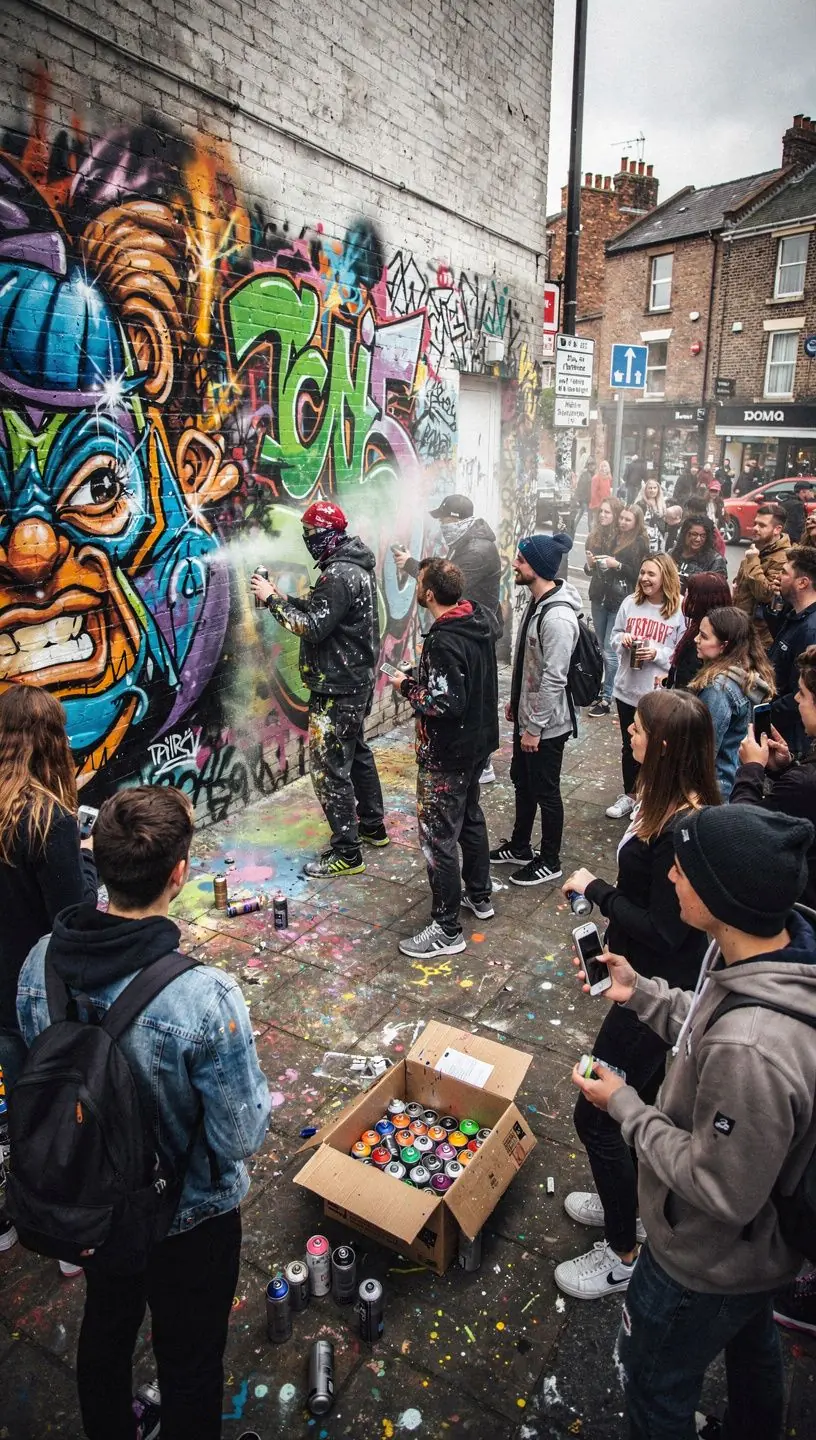
Creating a Welcoming Atmosphere in Community Spaces
A welcoming atmosphere in community spaces can significantly enhance participation and interaction among residents. This article explores practical strategies to foster inclusivity, drawing on research and expert recommendations.
Understanding the Importance of Community Spaces
Community spaces, such as local venues hosting music sessions or board game clubs, play a vital role in fostering social connections. Experts suggest that when individuals feel welcomed in these environments, they are more likely to engage actively, leading to stronger community ties. According to a study by the Journal of Community Psychology, communities with inclusive spaces report a 25% increase in social interactions.
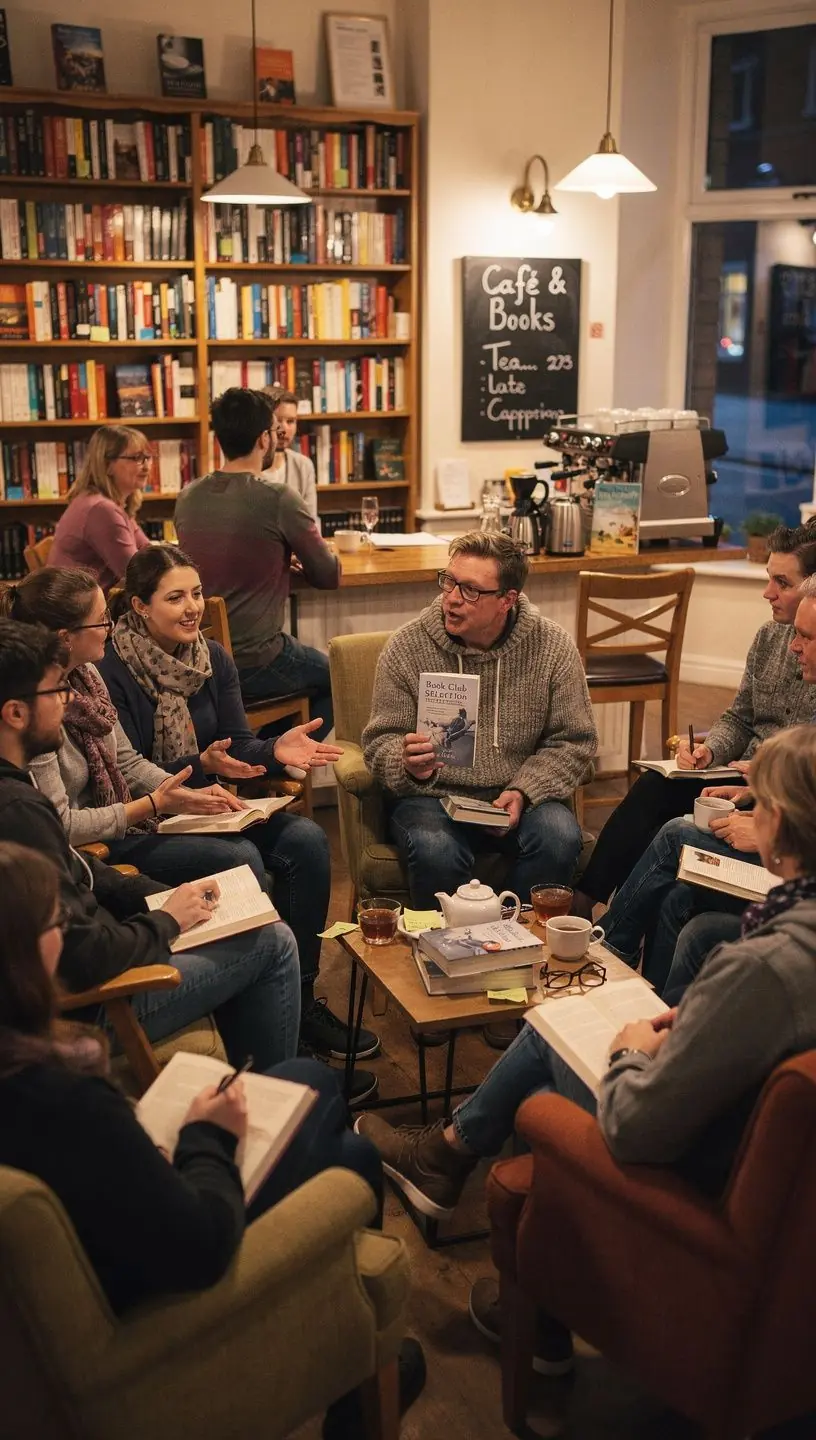
"A welcoming environment encourages participation, leading to a more vibrant community." - Community Development Expert
Key Strategies for Fostering a Welcoming Atmosphere
- Inclusive Design: Spaces should be designed to accommodate diverse groups. This typically includes ensuring accessibility for individuals with disabilities and providing comfortable seating arrangements that encourage group interactions.
- Organized Events: Regularly scheduled events, such as music sessions or board game nights, help build routine participation. Research indicates that communities that host consistent events see an increase in attendance by around 15-20%.
- Welcoming Staff and Volunteers: Training staff and volunteers to greet attendees warmly can significantly enhance the first impression. Experts recommend using friendly language and active listening skills to make individuals feel valued and heard.
Creating a Sense of Belonging
Creating a sense of belonging involves more than just the physical space; it requires a cultural shift within the community. Engaging with participants to gather feedback and incorporate their ideas can foster a sense of ownership. Involving community members in decision-making processes, such as selecting event themes or activities, has been shown to increase satisfaction levels significantly.
Challenges and Limitations
While creating a welcoming atmosphere is essential, it often requires considerable time and effort. Initial setup and training for staff typically take 4-6 weeks to implement effectively. Furthermore, ongoing community engagement may require consistent follow-up and adaptation to shifting demographics and preferences.
Conclusion
In conclusion, fostering a welcoming atmosphere in community spaces is a multi-faceted effort that can lead to enriched social interactions and stronger community bonds. By focusing on inclusive design, regular events, and creating a culture of belonging, communities can enhance participation and connection. As demonstrated, the investment in these strategies may take time, but the potential benefits for individual satisfaction and community cohesion are significant.